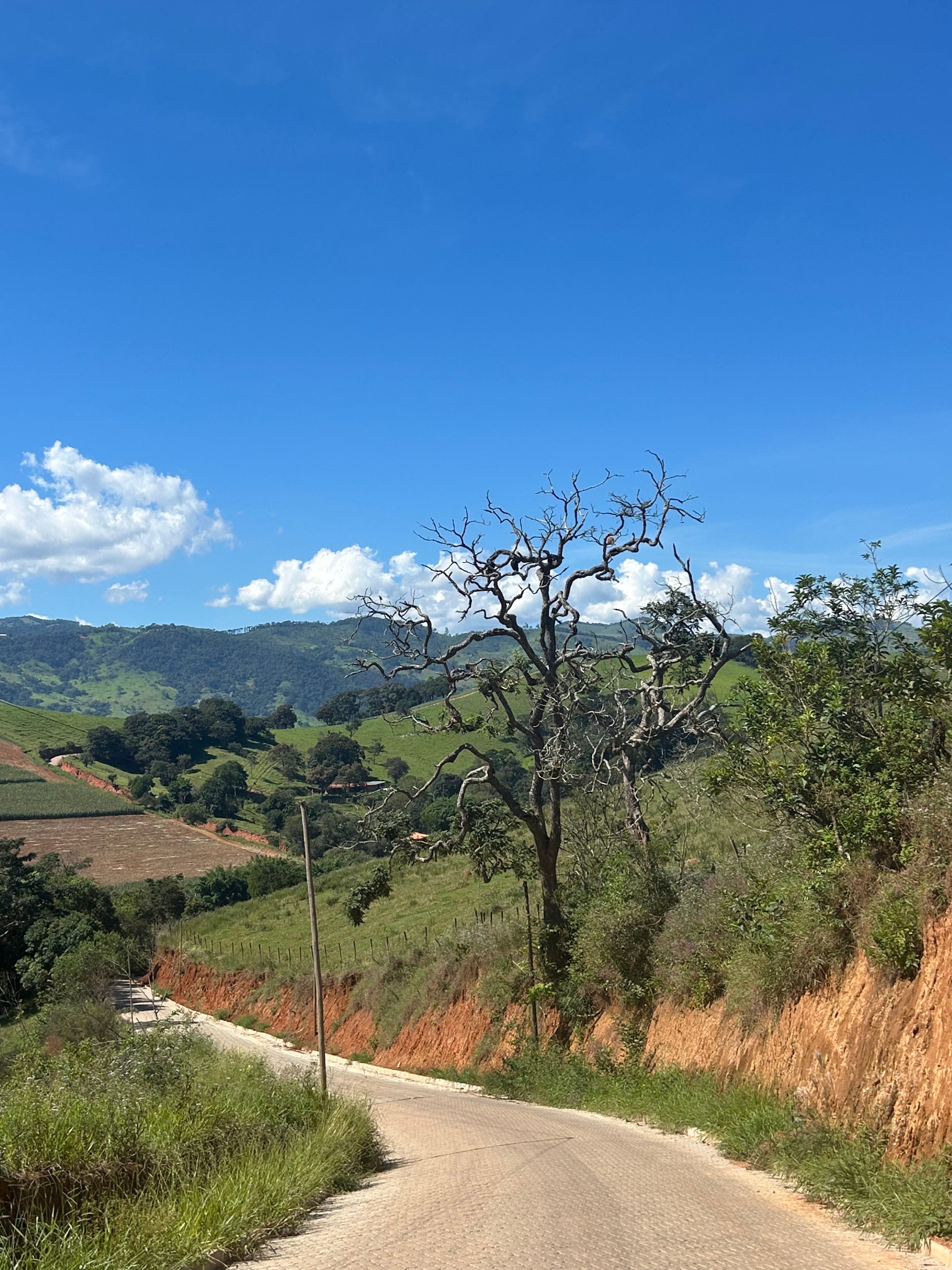
On being lost
Finding meaning in the mountains of Minas Gerais

Have you ever felt lost? Like, having no clue of where or who you are, where you are heading to or what the future will bring. As I shared my perceptions here while traveling around the world to figure my own path, this theme has emerged quite a few times. But what has surprised me lately is how many conversations I have been on with people that feel the same way, in different life stages - including people that, when looking from the outside, one wouldn’t judge them that way. Thus I reckon that this might not be an individual thing, but a shared struggle, more subjective than objective. So I’ve decided to do what it’s needed when I don’t know the path - keep looking for information, keep walking, keep searching. And keep sharing, since when I write things I am forced to structure my own thoughts around it - and maybe finding the way out of this maze.
I was in London last June when I came across a poem by William Stafford that made my eyes water. My reaction was so instinctive that I realized that this was something to pay attention to.
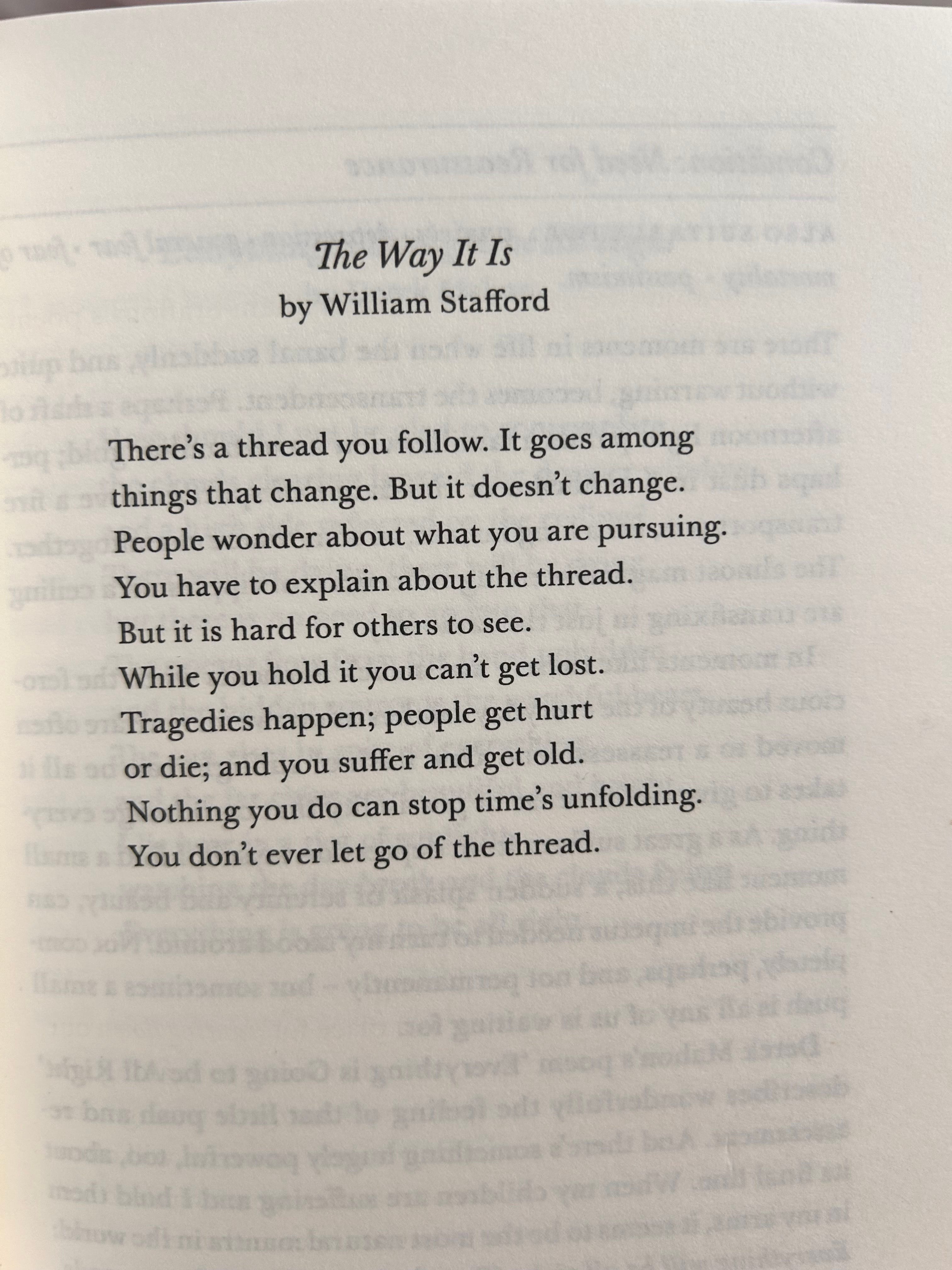
Stafford’s words stuck with me. The thread. At times it was there, but suddenly it was vanished. And when it was vanished, I felt lost.
What defines being lost, really? I can name multiple times in which I have got lost in a city, during walks or runs, exploring a new place without plans: in the Medina in Marrakesh, in the sand dunes of Lençois Maranhenses, in the small alleys of Venice… However, the feeling of being lost didn’t appear in every occasion I didn’t know where I was. Truth is, most of these times I’ve felt marveled, curious, in awe - not lost. Indeed, to wander, playing the flaneur (or flâneuse), is something acclaimed among writers and travelers. Being lost and feeling lost are different things. Feeling lost is related to the lack of control, the realization that things are not going according to your expectations, accompanied by a sense of fear, rather than with knowing where you are.
Physically, I have felt lost twice. One during a run in southern France, in which I had to be rescued by the local police (yep, a good story for another time). The second time, during a hike in the Dolomites that I shared here recently. That time I wasn’t truly lost, I just felt like it momentarily when my initial plan had to be changed and I didn’t know the next step yet. Those moments of confusion while I had to figure out where to go, in the middle of the peaks, scared me. Even though there were signs and people around me, internally I felt lost until I’ve traced the new path back to my map in the app.
Abstractly, big questions surrounding life decisions or the meaning of life do appear every now and then - and disappear with the same subtleness. But again, who doesn’t when it comes to that?
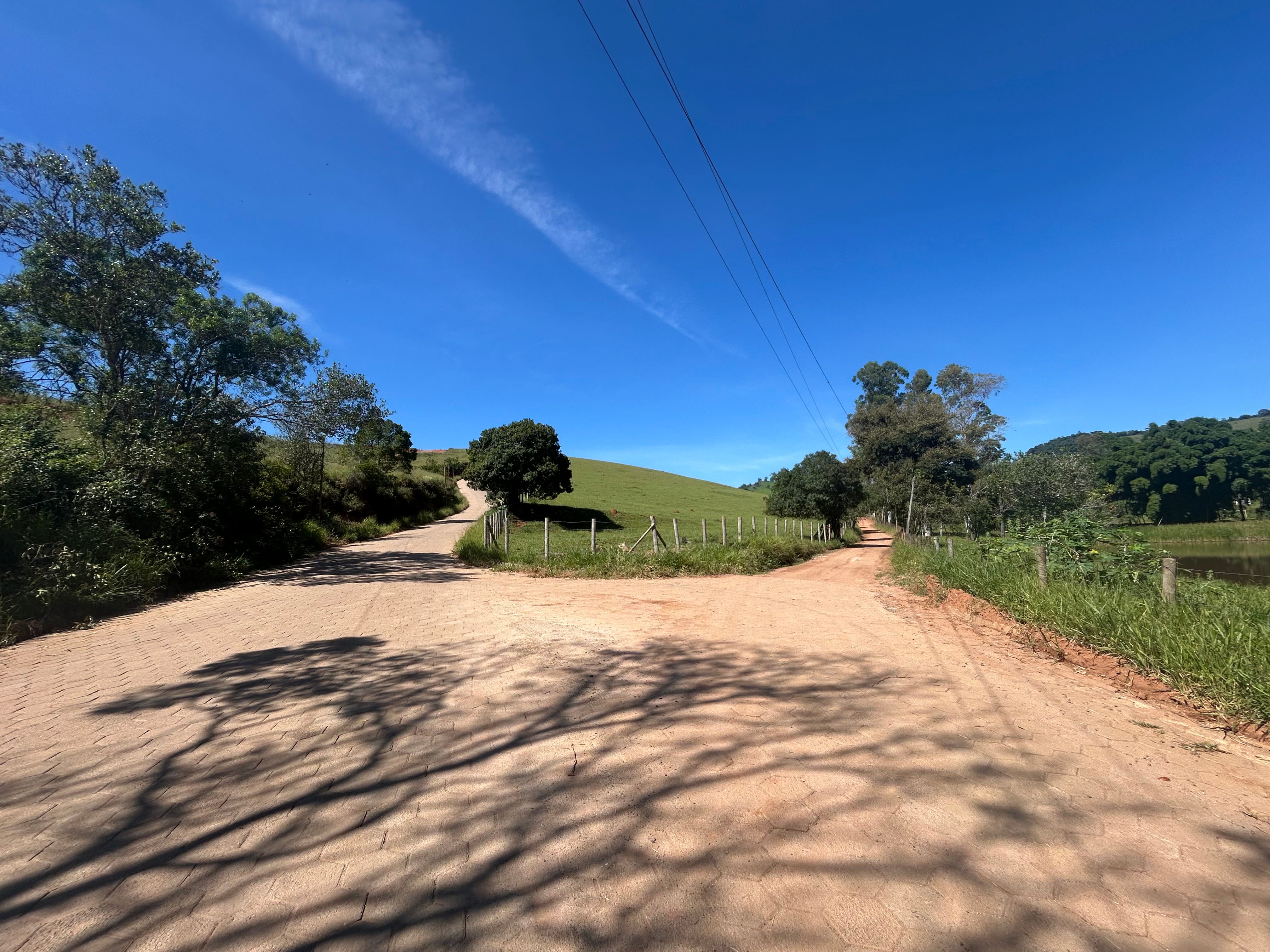
So being “lost” is not an objective state, but rather a feeling, once we might find ourselves not knowing where we are or without a plan but feel ok with it either way.
Henry David Thoreau has written on the topic in his book, Walden: “It is a surprising and memorable, as well as valuable experience, to be lost in the woods any time. Often in a snow storm, even by day, one will come out upon a well-known road and yet find it impossible to tell which way leads to the village. Though he knows that he has travelled it a thousand times, he cannot recognize a feature in it, but it is as strange to him as if it were a road in Siberia. By night, of course, the perplexity is infinitely greater. In our most trivial walks, we are constantly, though unconsciously, steering like pilots by certain well-known beacons and head-lands, and if we go beyond our usual course we still carry in our minds the bearing of some neighboring cape; and not till we are completely lost, or turned round, – for a man lost, – do we appreciate the vastness and strangeness of Nature. Every man has to learn the points of compass again as often as he awakes, whether from sleep or any abstraction. Not till we are lost, in other words, not till we have lost the world, do we begin to find ourselves, and realize where we are and the infinite extent of our relations.” Walden’s words suggest a rather positive take in getting lost - so why not try it?
That is why for the last couple weeks I turned to the mountains, in the southern part of Minas Gerais, Brazil. I have gone there all my life, as this is where my grandmother lives. While there, I always follow the same roads when out for a run or walk. This time, I wanted to practice being lost. Every morning I would embark on a micro adventure, following a different dirt road or trail into the rural area.
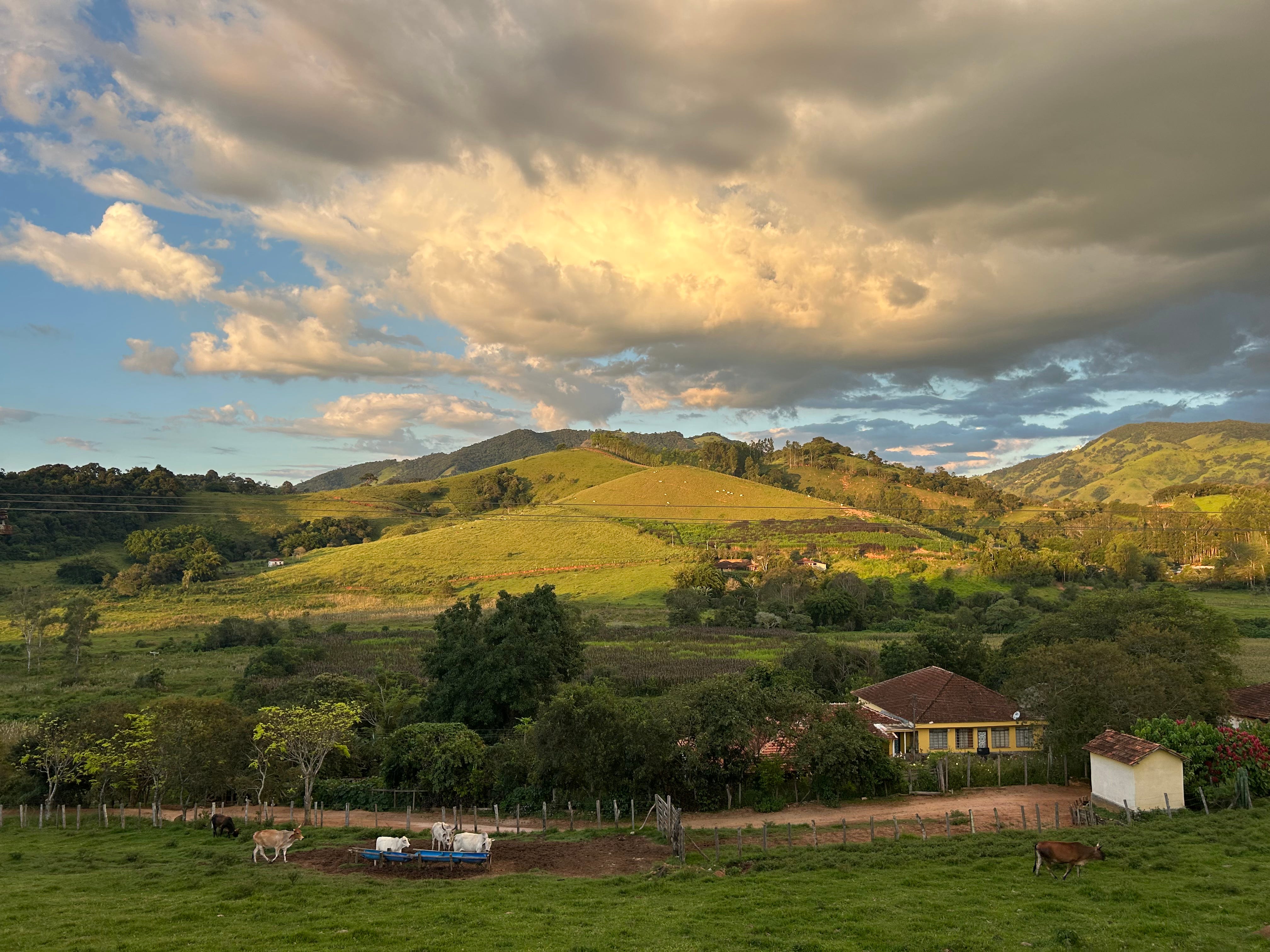
Sometimes, I would check a potential route on google maps, at others, I would simply turn where I was curious to. One day, I decided to go until a waterfall, 9km away from the village. The dirt roads led me through the rural area, in which all I could see were meadows, farms, and mountains. A farmer here and there; cows, dogs and birds were more frequent than humans. After a lot of hills up and down under the blazing sun, I finally got there: an amazing waterfall, all for myself.
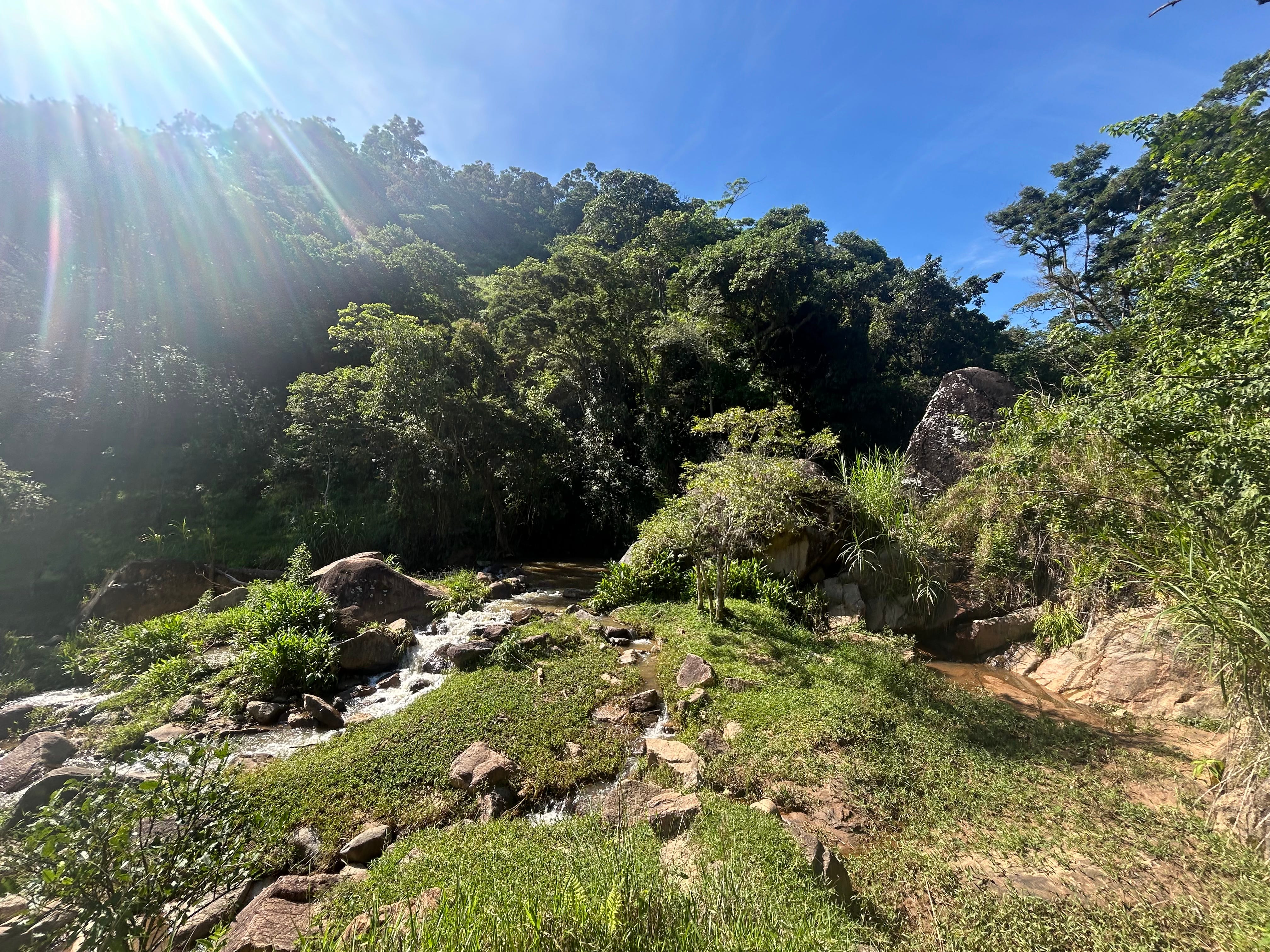
To go back, I would have another 9km stretch. I thought I couldn’t get it wrong in the first part as it seemed to be a single main road, so I just followed through, running, without checking the map. I did have a sense that the route was slightly different, but maybe it was the angle of looking from the other side, I thought. Well, it wasn’t until I was 3km away that I realized I had been going the wrong way - and so my 18km run would be even longer. I was lost (just for a bit), but I had confidence in my own capabilities to take me back home safely - I easily found a new way, I had enough water and energy gels, and I had legs that could take this effort. 21.5km later I was back at grandma’s with a story to tell.
It is by getting yourself lost that you feel, you learn, you live - in the rawest concept of the word. By getting lost you expand the territory around you, from unknown to known, and at the same time extent your internal territory. This is how you grow. Safety comes from the perception that, even though you don’t know your way, you have the ability of figuring it out. Focusing on improving your capabilities, rather than building a big plan, could be an interesting approach to these situations. There is an extreme value in learning how to navigate the borders, the frontiers - and the questions yet to be solved.
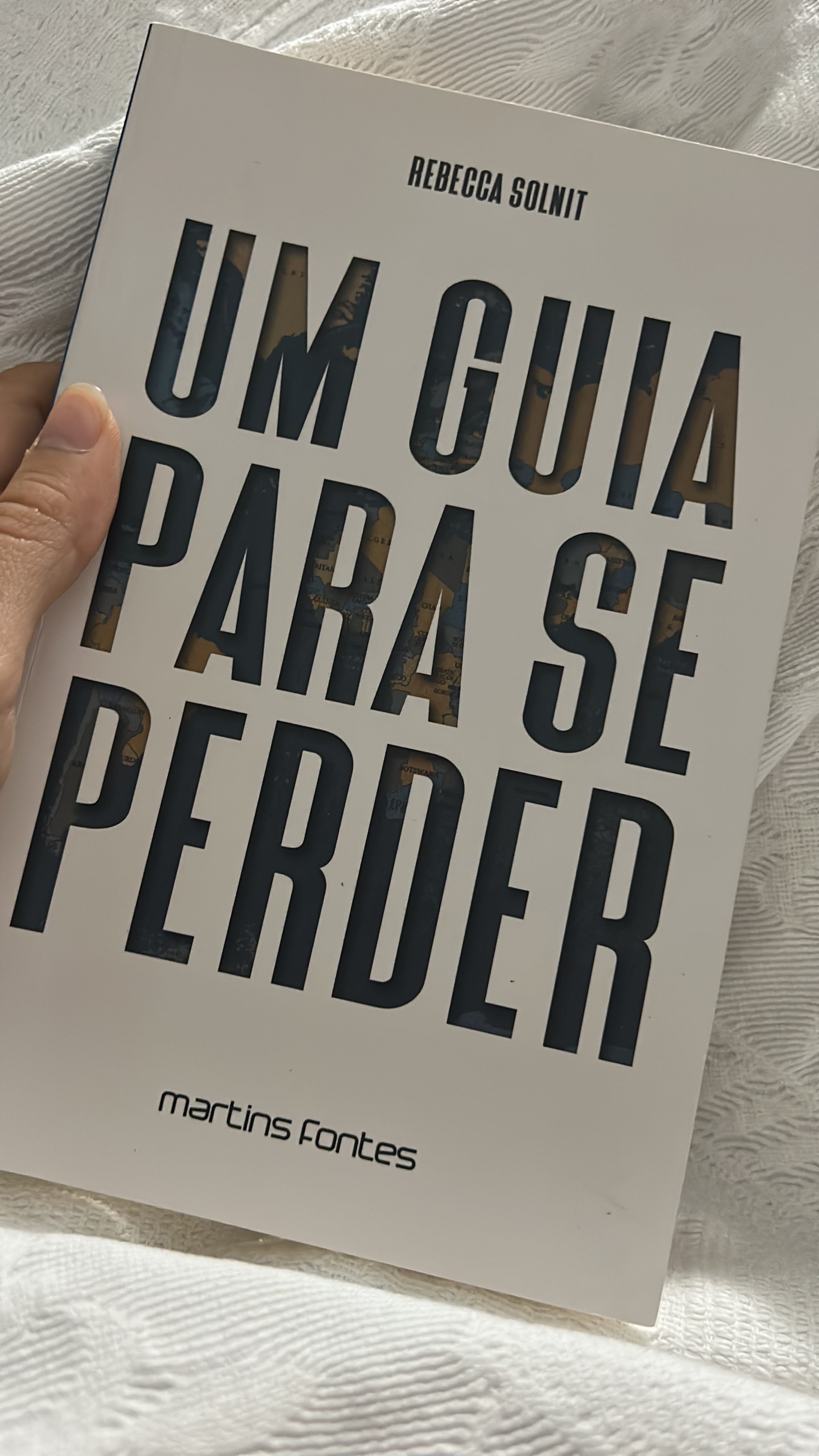
From real paths to life paths, learning to navigate uncertainty has its positive sides. Rebecca Solnit, in her book A Field Guide to Getting Lost, discusses how artists and scientists, per definition, need to chase the unknown, the undefined. It is their roles precisely to transform the unknown into known. Opening the doors of perception and knowledge is what drives innovation. “How do you calculate upon the unforeseen?” she elaborates, “It seems to be an art of recognizing the role of the unforeseen, of keeping your balance amid surprises, of collaborating with chance, of recognizing that there are some essential mysteries in the world and thereby a limit to calculation, to plan, to control. To calculate on the unforeseen is perhaps exactly the paradoxical operation that life most requires of us.” (p.11). The poet John Keats introduced the concept of Negative Capacity: the ability to exist in uncertainty, mystery, and doubt, without the extraneous search for facts and reason.
Indeed, a 2020 Neuroscience study found that “daily variability in physical location was associated with increased positive affect in humans” (Heller et al., 2020). That is, that changing where we are has positive benefits in our emotions and well-being. Researchers tracked participants with a geolocation device during four months, analyzing their roaming entropy (how widely and unexpectedly they travelled) and asked them to fill mood questionnaires sent by phone during that period. They also conducted fMRI scans with half of participants to observe the neural mechanisms associated to that. The exposure to novel places activated the hippocampus and released dopamine - those who wandered felt happier.
Back to Solnit’s book, she shares an anecdote of when she was in a Buddhist temple and heard a story about a blind man that would go there. The guy would walk around the neighborhood selling caramels. As he was blind, he wasn’t able to cross the streets on his own, so he would have to stop at every crossing and wait for someone to help him. At every crossing, stop, wait, and ask for help. And every day he would leave home and do the same thing, never knowing exactly how to overcome crossings, but just waiting and asking, and being ok with not knowing exactly how things would turn out. And what is life if not a sequence of crossings that we don’t know how to go through rather than waiting and asking for help.
The great poet and writer Rainer Maria Rilke has elaborated on the topic as well. Rilke’s words, from 1903, urged me into a radically different mindset towards uncertainty and feeling lost in life, beyond territorially - not to seek to avoid it, but rather enjoy it and actually pursue it. I’ll leave you with it to wrap up this meditation on getting lost:
“I want to beg you, as much as I can, dear sir, to be patient toward all that is unsolved in your heart and try to love the questions themselves like locked rooms and like books that are written in a very foreign tongue. Do not now seek the answers, which cannot be given you because you would not be able to live them. And the point is, to live everything. Live the questions now. Perhaps you will then gradually, without noticing it, live along some distant day into the answer.”
Have you ever been lost or felt lost? Leave your thoughts on the topic: